

.png)

When the Culture Can't Afford the Real Estate

Paige DeChausse
Paige DeChausse brings a storyteller’s eye and more than a decade of experience alongside Kent Redding to her role leading marketing and supporting ...
Paige DeChausse brings a storyteller’s eye and more than a decade of experience alongside Kent Redding to her role leading marketing and supporting ...
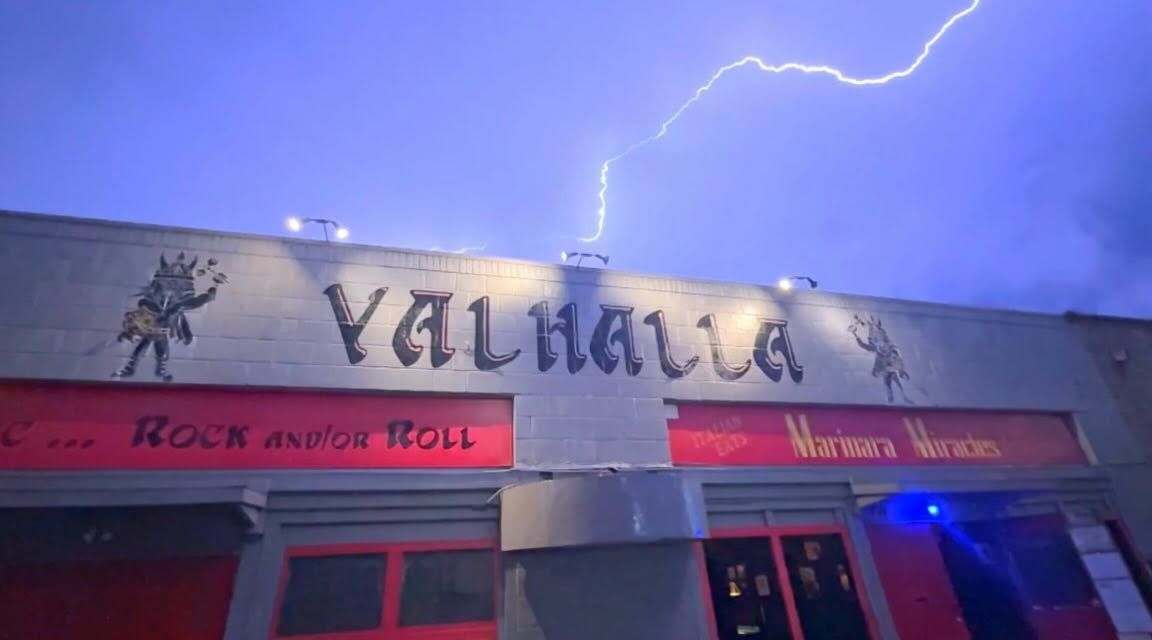
Valhalla has been at 710 Red River since 2010, and now the building has been sold to Gus’s Fried Chicken, leaving the venue with 60 days to figure out what comes next.
And directly across the street, another piece of Red River is on the market.
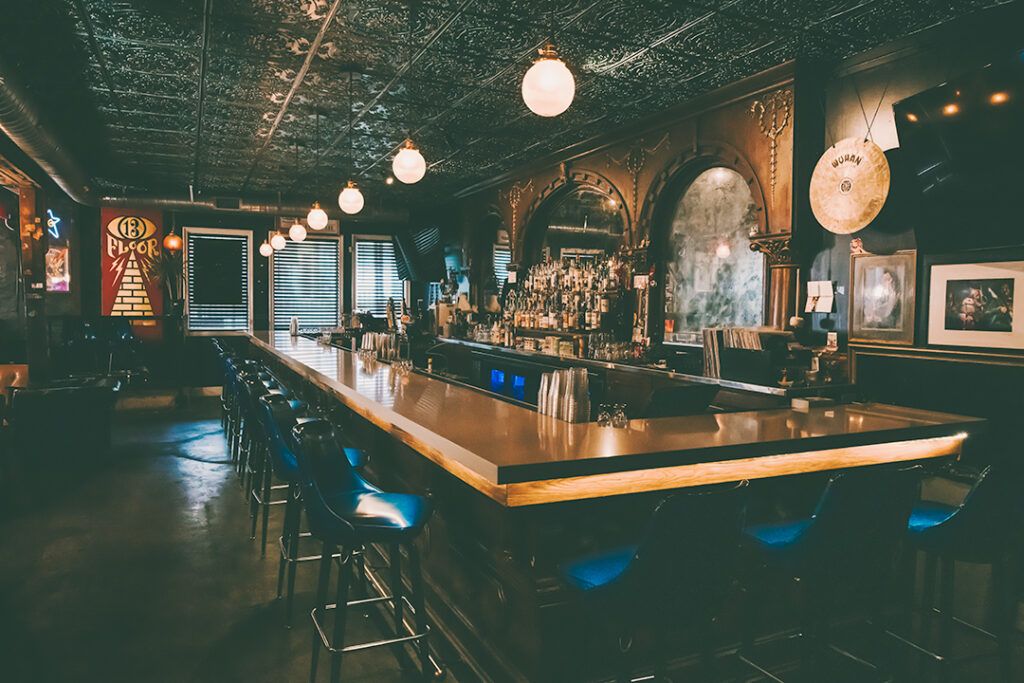
701–713 Red River, where Elysium and 13th Floor live today, is listed for $4.1 million and, according to the listing, hasn’t been offered for sale in 80 years. There is an extraordinary amount of Austin history packed into that little stretch of buildings, going all the way back to a Red River lined with antique shops, secondhand stores and strange little businesses that could somehow afford to exist right in the middle of town, long before those rooms became places for bands and dance floors and decades worth of noise.
I think that is the part of these stories we sometimes lose when we talk about them strictly as real estate. These places are technically commercial square footage, sure, but after enough years they become something else entirely because they accumulate people and stories and sound. They hold the night you saw a band you’d never heard of and couldn’t stop talking about afterward, the terrible first shows nobody remembers, the great ones everybody does, the people you met there, the bands that started there and probably a hundred things that would never show up in an appraisal.
Eventually the room becomes bigger than the building containing it.
Cities change. They have to. Buildings sell, neighborhoods evolve, new people arrive, businesses come and go, and nobody gets to preserve an entire city in amber just because we are nostalgic for the old Austin we knew. Austin was changing before I got here, it has changed enormously while I’ve been here, and it will continue changing long after me. I don’t think fighting every new restaurant or mourning every building that changes hands is particularly useful, either.
But I do think there is a point where we have to acknowledge that culture is not infinitely renewable.
You cannot keep losing the small stages, weird rooms, cheap dive bars, rehearsal spaces, independent businesses and places willing to let a band make some noise on a Tuesday night and assume another generation of Austin music will simply appear somewhere else because, well, this is Austin and that is what happens here.
It happens here because there have historically been places where it could happen.
These are the rooms where musicians find each other, where bands are terrible long before they ever get good, where someone plays for twelve people before they play for twelve hundred, where you end up on a bill with someone you’ve never met and five years later you’re making a record together. Scenes begin forming this way before anybody realizes they are part of one. Nobody sits down and decides to create a cultural movement. Usually a bunch of people just keep showing up in the same weird little rooms because there is somewhere for them to go.
And I think that is what worries me more than any one venue closing.
What happens when there are fewer and fewer places for that accidental magic to happen? What happens when every little building has become valuable enough that the thing happening inside of it can never realistically compete with the value of the land underneath it?
Because at some point this stops being a conversation about nostalgia and starts becoming a conversation about infrastructure. We talk a lot about supporting Austin music, but supporting music cannot only mean festivals, big stages, tourism dollars and celebrating the artists who eventually become successful. There also has to be somewhere for people to start. Somewhere affordable enough to take a chance on the band nobody knows yet. Somewhere weird enough that nobody is terribly concerned with whether the whole thing makes sense on paper.
I don’t think the question is whether Austin should change. Of course it will. It already has.
I think the more interesting question is whether, as Austin keeps growing into whatever it is becoming, we are intentionally leaving any room for the strange, independent, imperfect things that made people fall in love with this city in the first place. Whether there will still be a place for the next little bar that doesn’t make much sense financially but somehow becomes important. Whether the next generation of musicians will still have somewhere to meet each other, make a racket, be terrible for a while, get better and eventually become whoever they are going to become.
Because the “Live Music Capital of the World” can’t just be something printed on the wall of the Austin airport.
At some point you have to be able to walk outside and still find it.